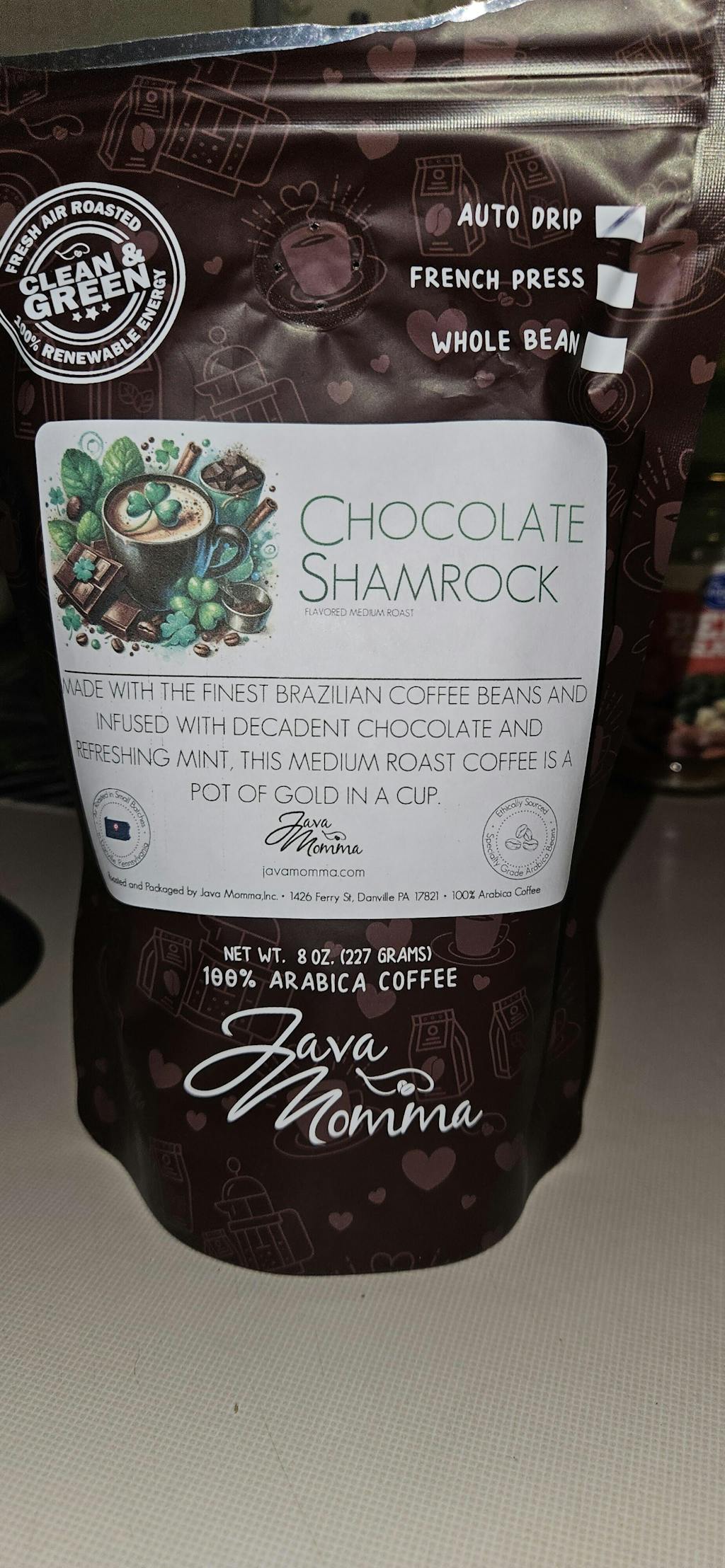
At Java Momma, we air roast every bean — flavored and single-origin alike — so you get a smoother, cleaner cup without the bitter, smoky finish that ruins a perfectly good morning. Here's what that actually means, how it works, and what to try first.
Most people obsess over the origin of their coffee. Fair enough. But the bean you start with and the cup you end up with? Those can be very different things. A lot of that gap is in the roast.
The majority of commercial coffee is drum roasted — beans tumbling in a hot metal cylinder, some touching scorching surfaces, some not, chaff burning into the mix the whole time. It works. It's been the standard for decades. But it tends to produce the smoky, harsh, or just generically "coffee" flavor a lot of people have come to accept as normal.
Air roasting is different. And once you taste the difference, it's hard to un-taste it.
What Is Air Roasted Coffee?
Air roasted coffee is exactly what it sounds like. Instead of tumbling in a drum, the beans float and roast on a bed of clean, hot air — what's called a fluid-bed roaster. Each bean roasts evenly, surrounded by moving air, while the papery outer skin (called chaff) gets carried away before it has a chance to burn.
☕
Smoother Flavor
Less bitterness from uneven roasting and burnt chaff. The cup lands clean.
🌿
Cleaner Cup
You taste the actual bean — not the roast process or the equipment.
🫁
Lower Perceived Acidity
Gentler on the palate — and the stomach — than most drum-roasted coffee.
✨
Better Aroma
The compounds that make coffee smell incredible are better preserved through rapid cooling.
< 1%of the world's coffee is air roasted. We do it for every single one of ours — bold roasts, everyday blends, and every flavored coffee too.
Air Roasted vs. Drum Roasted
Here's the practical side-by-side:
Drum Roasting (the standard)
Air Roasting (what we do)
Beans tumble in a closed metal drum
Beans float on clean, circulating hot air
Heat transfers through contact with hot surfaces
Every bean roasts from all sides simultaneously
Roasting can be uneven — some beans over-develop
Consistent development across the full batch
Chaff stays in the drum and can scorch, adding bitterness
Chaff is pulled away by airflow before it can burn
Harder to monitor or adjust mid-roast
Roaster can see and control what's happening in real time
Slower cooling after roast completion
Rapid cooling locks in flavor at exactly the right moment
☝️ The bottom line: Drum roasting has its place. Air roasting just produces a cleaner, more consistent cup — and that matters whether you're drinking a straight dark roast or a White Chocolate Raspberry at 3pm.
Why Air Roasting Makes Coffee Taste Better
When chaff burns in a drum roaster, it introduces bitter, acrid compounds into the roast. When heat is uneven, some beans develop faster than others, which muddies the flavor. Air roasting removes both problems.
For unflavored coffees
The origin character comes through cleanly. A Tanzanian Peaberry that's supposed to taste bright and tea-like actually tastes bright and tea-like — instead of just "dark and roasty."
For flavored coffees
A cleaner roast base means the added flavors — vanilla, hazelnut, caramel, seasonal stuff — land the way they're supposed to. Smooth, not artificial. Present, not overwhelming.
☕ Worth knowing: A lot of flavored coffees taste fake because the base coffee is already off-balance before the flavor even goes on. Starting with a clean air-roasted base changes that entirely.
How Java Momma Air Roasts Coffee
Every batch is small. Every order is roasted fresh — not sitting in a warehouse, not being pulled from a shelf. Brian (our master roaster) oversees each roast, which means there's an actual human watching what's happening and making calls in real time.
Our facility runs on solar power. We're not going to beat you over the head with that — it's just how we operate. Cleaner roasting method, cleaner energy source. It seemed like the right call.
Small-batch, roasted to order — your coffee ships fresh, not six months old
High-altitude Arabica beans — sourced with the same care we put into the roast
100% solar-powered facility — clean energy, every batch
Every variety, same process — no shortcuts for the flavored coffees
Find Your Air Roasted Coffee
Not sure where to start? Here's the short version — all of it air roasted, all of it fresh.
🍫
Flavored Coffees
Chocolate, caramel, vanilla, seasonal stuff. Fun without being fake — because the base is clean.
🤷 Still not sure? The Roaster's Choice sampler is the no-commitment way to figure out what you actually like before you buy a full bag of it.
Air Roasting: Quick Answers
For most people, yes — especially if bitterness or acidity is something you notice. Air roasting removes the two main sources of harsh flavor: uneven heat and burning chaff. What's left is a cup that tastes more like the actual coffee bean. Whether that's "better" depends on your palate, but the feedback we get from people switching from grocery-store drum-roasted coffee tends to involve some version of "I didn't know coffee could taste like this."
Beans are placed in a fluid-bed roaster and suspended on a current of clean, hot air. They roast evenly from all sides while the chaff — the papery outer skin — is carried away by airflow before it can burn. The roaster monitors temperature, color, and aroma in real time. When the roast hits the target profile, the beans are rapid-cooled to stop development and lock in flavor and aroma.
Drum roasting uses contact heat — beans tumble against a hot metal surface inside a rotating cylinder. Air roasting uses convective heat — moving air surrounds every bean simultaneously. The practical difference: more even development, less bitterness, and no burnt-chaff compounds making it into your cup.
Depends on what you're after. Drum roasting can produce classic, deep roast profiles that a lot of people love. Air roasting tends to produce more clarity, smoothness, and origin character. We built our whole operation around air roasting because we wanted every coffee — especially the flavored ones — to start from the cleanest base possible.
Yes, noticeably. Coffee starts losing peak flavor within weeks of roasting — sometimes days, depending on storage. Most grocery store coffee was roasted months before you open the bag. Ordering direct from a roaster that ships fresh means you're getting the coffee at its actual best, not what's left after sitting in a distribution center.
Yes. Our roasting facility runs on solar panels — not as a marketing badge, just how we set it up. We figured if we were going to do the roasting method right, we might as well do the energy source right too. Every batch, every order.
Ready to Taste the Difference?
We roast every order fresh and ship it out fast. If your current coffee tastes flat, bitter, or just sort of generically "coffee" — that's probably the roast, not the bean.
We have been enjoying Java Momma for a few years now and cannot recommend them enough. Their coffees are truly high quality and fresh!! Angela Swanger is an awesome Rep. She's very helpful in sharing and explaining the different flavors and products. And when I need assistance placing an order or navigating the site , she is patient and helpful. Custom Service (via email) is also exceptional, I had problems with my rewards points and they helped resolve the issues very quickly and professionally, and with a very friendly vibe! Thank you Java Momma